


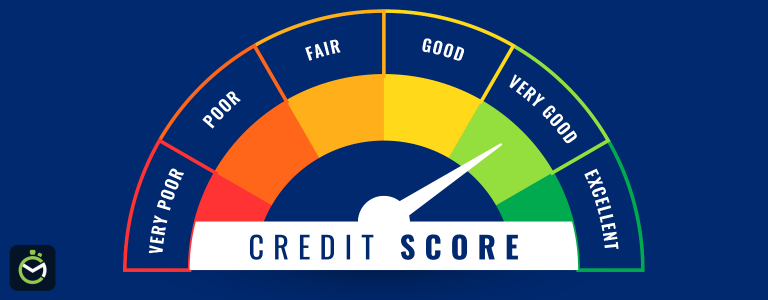
When you apply for a loan, the first thing that the lender looks into is your credit score. A favorable credit score will lead you to good loans with a favorable rate of interest. On the contrary, a low credit score will lead to a higher interest rate and unfavorable terms and conditions. How do you improve your credit score? Are you looking for various factors that caused the credit score drop? Are you looking for a credit repair agency? Find out ways and means of fixing your credit score and enhancing your financial stability.
What Is Credit Score Repair?
Credit Score Repair is the process of repairing your credit score. Credit Repair involves correcting errors in your credit score. You can repair your credit score by filing a dispute with a credit report agency. You might have to support your claim by submitting the required documentation and an explanation. If your credit score is below 600, there is a chance your loan applications will be rejected. Various good financial habits need to be adhered to during the process of credit score repair.
Credit Repair Agency
There are various credit repair agencies available in India. The work of these credit repair agencies is to improve bad credit scores by filing disputes. Many individuals lack the knowledge or time to perform these repairs themselves. But you need to check the agency's authenticity before you go in for one.
How do These Agencies Work?
- Review Your Credit Report: They can review your credit report to find various errors, identity theft, and incorrect credit entries.
- Dispute Filing: They can file a dispute on your behalf with the credit bureaus in case of incorrect entries. But they do not have the right to alter or change your credit report. There are no guaranteed results when approaching them.
- Communication: They communicate with lenders and credit bureaus to have the information corrected.
- Guidance: They also provide advice on rebuilding your credit and achieving financial freedom.
How Does Credit Score Repair Work?
What Issues Can Occur in a Credit Information Report?
A Credit Report is the report card of your credit life. It reflects how responsible you have been in the past in handling credit. The following are common issues associated with the Credit Information Report. They are:
- Incorrect Personal Information: Your personal details, such as name, address, date of birth, and PAN number, may be inaccurate. This is due to the data entry errors by the lenders.
- Wrong Account Details: Loan details that do not belong to you might be reported under your credit report.
- Duplicate Accounts: There could be multiple entries related to the same credit appearing on your credit report. This happens when the lenders update the old and new account numbers separately.
- Closed Accounts Still Showing Active: When you have fully repaid a particular loan or credit card account. This happens when lenders fail to update the credit report promptly.
- Incorrect Days Past Dues: When you have missed a payment, the number of days you have missed the payment might appear incorrectly on your credit report.
- Fraudulent Accounts: There may be entries for loans or credit cards you did not apply for. This could happen when you have an identity theft.
- Incorrect Status of Accounts: The status of credit accounts could appear incorrectly. Some examples would be “written off”, “settled”, “closed”, “in active”, and so on.
- Delay in Credit Score Update: When there is a boost in your credit score due to some good credit habits adopted by you, the credit score would not have been updated. This is due to the delayed reporting by the banks or NBFCs.
- Incorrect EMI Repayment History: The EMI repayment history might not be updated in your credit report. This is due to the lenders' failure to report.
- Issues with Recent Enquiries: If there are many hard enquiries reported under your name, though you would not have applied for too many credits. Sometimes this happens when lenders run the checks without your consent.
Step-by-Step Process of Credit Score Repair
The following is the step-by-step process for credit score repair. They are:
- Get Your Credit Report: You can get your credit report from any of the credit bureaus and check it to get a complete picture of your credit profile.
- Review Your Errors: There may be many errors on your credit report. These errors could include incorrect payment history, incorrect personal information, identity theft, inaccurate credit enquiries, incorrect loan information, and so on.
- Dispute Inaccuracies: Raise a dispute with the credit report for any inaccuracies found in your credit report. You can raise a dispute formally with the credit bureau with sufficient documentation.
- Negotiate with the Creditors: You can always negotiate with the creditors to have the goodwill deleted if you have repaid your loans. And if you have been overcharged for debts, it needs to be settled with a clear plan.
- Paying Bills On Time: Always pay your bills before they are due to avoid late fees. It will also help you build good credit. You can improve your financial health over time by organizing your due dates, using reminders, creating a budget, and streamlining your payment process.
- Check Your Credit Report After A Month: In case you have raised an issue with the credit bureau, you can check your credit report to see whether the problems have been resolved. The credit bureaus generally take 30 to 45 days to resolve the issues.
How Long Does Credit Score Repair Take?
Credit score repair does not happen overnight. It always depends on the nature of the issues that affect your credit score.
- Minor corrections, such as correcting credit report errors or updating closed accounts, will be reflected within 30 to 45 days once the lender updates the bureau.
- There are moderate issues, such as a few missed loan payments and credit card bills, that will be reflected over the next 3 to 6 months with consistent financial discipline.
- There will be significant issues, such as loan defaults, settlements, or written-off accounts, that will take 6 to 12 months or longer to show meaningful changes.
- If you have raised any disputes with the credit bureaus, it may take 7 to 30 days to verify the dispute and make the necessary corrections.
Adopting financial discipline and hard enquiries can help you speed up the process. Overall, the credit repair timeline will vary by individual and is based solely on one’s credit behavior and lender reporting cycles.
Common Reasons Why Your Credit Score Is Low
When you see that your credit score is low, you might be unaware of the reasons behind the fall in your credit score. To save your credit score from dipping even further, you need to know the various reasons behind the fall in your credit score. Please go through the following reasons and avoid using them when managing your existing or new credit.
Delay in Paying Loan EMIs and Credit Card Bills:
If there is a delay in paying your existing loan EMIs or credit card bills, then your credit score will take a hit. If there are repeated delays in EMI payments, this will be displayed on your credit report as Days Past Due (DPD) with a numerical value. One way to avoid it is to set up auto-debit to your bank account so that your EMI payments are automatically deducted.
Too Many Credit Applications:
When you apply for too many loans at the same time, lenders tend to check your credit report, resulting in a hard inquiry. For every hard enquiry, your credit score comes down. This also gets reported to your credit report and might be seen as credit-hungry behavior. And if there is another credit application rejection, it results in a further dip. One way to avoid this is to apply for credit only when you need it most.
Checking Credit Report Regularly:
There could be errors in your credit report. These could include incorrect account or personal details, duplicate accounts, incorrect loan balances, outstanding balance errors, and so on. This will adversely affect your credit score. In some cases, NBFCs may have engaged in fraudulent activities, such as identity theft. This calls for regularly checking your credit report and disputing errors.
Higher Credit Utilization:
When credit cards are issued, they have a limit on the amount you can use them for. Recommendations are to use your credit card for no more than 30% of the limit. Your credit score will not be affected, even with a high CUR, provided you pay your loan EMIs and credit card bills on time. But maintaining them will help your chances of loan approvals.
Credit Mix:
Always try to maintain a mixture of credits. This includes home loans, personal loans, and credit cards. Displaying the ability to handle different types of credit shows that you are a responsible person. Not having a good credit mix might lower your credit score, but it will not have a significant impact.
Credit Age:
The age of your credit is calculated right from the day your credit card was approved. The older your credit age, the better your credit score will be. If you have a credit history of more than 3 years, lenders will give you more preference than a person who is new to credit.
How to Repair Your Credit Score Fast?
The following are some of the most proven tips for repairing your credit score fast. They are:
- Review Your Entire Credit Report: Maintaining a good credit score is very important in today’s financial world. It is a vital part of a credit report review. The credit score determines eligibility for loans, interest rates, and overall economic well-being.
- Resolve Outstanding Debt: Resolving the debt involves understanding finances better, creating a budget, and negotiating with lenders for better terms. You can explore options such as debt consolidation, prioritize high-interest debts, increase your income through side hustles, and seek professional credit counselling to help clear your debts.
- Choosing a Secured Credit Product: Always selecting a secured credit product is a wise move for getting loan approvals, lower interest rates, and higher credit limits. Most secured loans require collateral in the form of fixed deposits, property, gold, or investments. This reduces the lender’s risk and makes the borrowing affordable.
- Work on Credit Report Discrepancies: Check your credit reports for any discrepancies. Get your credit reports verified by all the credit bureaus. Providing incorrect information will further reduce your credit score. Failing to address your credit report mistakes will further reduce your credit score.
- Become an Authorized User: If you have a family member with a strong credit score, ask them to add you as an authorized user to your credit card. The positive payment history and credit score will appear on your credit report. This will benefit your credit score, provided they handle their credit card responsibly.
Credit Score Repair After Loan Default or Settlement
Repairing your credit score after a loan default requires a strategic approach, consistency, and patience. The payment default stays on your credit report for more than 7 years. The impact of the same reduces as you build your credit history with responsible credit management.
The following is the list of steps you need to take in case of any loan default. They are:
- Review Your Credit Report: You can review your credit report. You will understand how your default payments are reported. You can also check for any discrepancies.
- Report to Credit Bureau: In case you come across any discrepancy about your credit report, you can report the same to the credit bureau and get it rectified.
- Contact Lenders: Contact the respective lenders to check for any repayment plans. You can also explain your situation and develop a repayment plan. Go in for a settlement plan with the lender, as it is better than a default one.
- Settle Outstanding Dues: Once you have arrived at the outstanding dues amount, negotiate with the lender and propose a plan to settle the dues. Full repayment is always a better choice, though.
- Get an NOC: Once you have cleared your debt, you need to obtain a No Objection Certificate or a Closure Letter from the lender as proof to ensure the status is updated.
Myths About Credit Score Repair
Credit Score repair helps you resolve any discrepancies with your credit score. A credit score repair can be done by adopting positive financial habits. But when it comes to credit score repair, there are some myths. In this section, we will debunk the myths.
- Repairing your credit score can erase poor credit.
- You cannot repair your credit score on your own.
- Closing old credit accounts will improve my credit score.
- Settling loans can improve your credit score.
- A credit score can be improved overnight.
- Disputing errors guarantees the removal of all the negative items.
- You must wait for negative items to fall off your credit report.
- Disputing errors guarantees the removal of all negative items.
- Having no credit card or loans means a perfect credit score.
Mistakes to Avoid During Credit Score Repair
The following are mistakes to avoid when repairing your credit score. They are:
- Missing Credit Report Errors:
Not checking your credit report regularly will cause you to miss incorrect entries, fraudulent accounts, or various outdated information that might pull down your score.
- Closing Old Credit Cards:
Closing your long-pending credit cards reduces the length of your credit history and your total credit limit. This will negatively affect your credit score.
- Applying for Too Many Credits
Multiple applications trigger several hard enquiries. This might signal a credit-hungry behavior. This will lower your chances of loan approval and hurt your score.
- Maximizing Your Credit Cards
High credit utilization of above 40% will pull down your credit score even if you pay on time.
- Settlement Option Instead of Closure:
Settlement of loans will damage your credit score. Make sure you always repay your loans in full.
- Missing Payments:
Missing payments of your EMIs and credit card bills will lower your credit score.
- Healthy Credit Mix:
Always maintain both unsecured and secured loans. Having only unsecured loans will only pull down your credit score.
- Ignoring Lender Communication
Avoiding bank calls or other verification requests can delay updates to your credit report.
- Expecting Immediate Results:
Being impatient with your financial decisions will only pull down your credit score. Credit repair will always take time.
- Relying on Quick-Fix Agencies
No agency can instantly boost your credit score. Falling for such promises will cost only money rather than improving your credit score.
Conclusion
Monitoring your credit score is an ongoing process that needs to be adopted. You can download your credit report for free once a year from any of the credit bureaus and check for any discrepancies. In case of credit score damage, adopting healthy financial habits will help you increase it over a period of time. Improving your credit score will help you qualify for premium credit cards and secure loan approvals. Have a healthy credit score and achieve financial freedom.
Frequently Asked Questions
1. What is credit score repair?
Credit score repair is the process of rebuilding or start building to achieve a healthy credit score. You can either repair your credit score yourself or hire a credit repair agency to get it done.
2. How can I repair my credit score?
Repairing your credit score include reviewing your credit report for errors, make timely payments for existing credit, reduce outstanding balances, avoiding hard enquiries, adopting credit mix, and establishing a positive credit history through responsible usage of accounts.
3. How long does it take to see credit score improvement?
Credit score improvement can take somewhere between 6 to 8 months time by adopting healthy financial habits. When you address various negative items associated with your credit score you might start seeing your credit score growth.
4. Can I repair my credit score on my own?
Yes. You can repair your own credit score by adopting healthy financial habits like paying the bills on time, reducing debt, disputing inaccuracies on your credit reports, and avoiding hard enquires.
5. Will paying off my dues will increase my credit score immediately?
Paying off your dues will help but credit score gets updated on your credit report only after lender sends the report to the credit bureaus. In all cases, the credit score will get updated within a span of 30 to 45 days.
Disclaimer: This page includes information that has been compiled from many sources and is only offered for informational purposes. Given that this type of data may change over time, we cannot guarantee the accuracy of the information supplied or included within it. It is anticipated that the user will confirm with the relevant source before making any choices or taking any actions.