


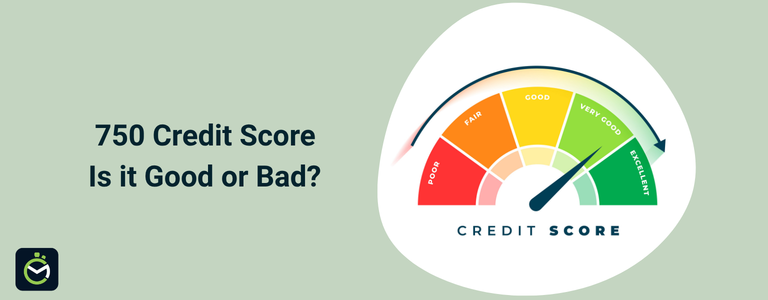
A 750 credit score is considered excellent by most lenders and reflects responsible credit behaviour. It can improve your chances of getting loans and credit cards with competitive interest rates, higher credit limits, and quicker approvals. By maintaining timely repayments, keeping your credit utilization low, and monitoring your credit report regularly, you can preserve this strong score and unlock better financial opportunities.
750 Credit Score at a Glance
| Factor | Details |
|---|---|
| Credit Score Range | 750 (Excellent) |
| Credit Rating | Excellent |
| Loan Approval Chances | High (subject to lender eligibility) |
| Interest Rates | Competitive rates from eligible lenders |
| Credit Card Eligibility | Better chances of qualifying for premium credit cards |
| Loan Types | Personal, home, car, education, and business loans |
| Credit Limit | Higher credit limits may be offered based on eligibility |
| Best For | Borrowers with a strong repayment history and responsible credit behaviour |
Is a 750 Credit Score Good or Bad?
Yes, a 750 credit score is considered an excellent credit score by most lenders in India. It reflects a strong history of responsible credit management, including timely repayments, balanced credit usage, and disciplined borrowing habits. With this score, lenders are more likely to view you as a low-risk borrower, increasing your chances of loan and credit card approvals.
A score of 750 can help you qualify for attractive financial products, including personal loans, home loans, car loans, and premium credit cards. You may also receive lower interest rates, higher loan amounts, faster approvals, and pre-approved offers from banks and NBFCs. However, approval is not based on your credit score alone. Lenders also consider factors such as your monthly income, employment stability, existing financial obligations, and repayment capacity before making a decision.
Think of a 750 credit score as a financial asset. The more carefully you manage it, the more benefits you can enjoy over time. Responsible borrowing, timely repayments, and regular credit monitoring can help you maintain a strong credit profile and stay eligible for better loan and credit card offers.
What Does a 750 Credit Score Mean?
A 750 credit score is considered an excellent credit score and reflects responsible credit management. It reflects responsible credit behaviour and gives lenders greater confidence in your ability to manage borrowed money.
With a score of 750, you may qualify for faster loan approvals, competitive interest rates, higher credit limits, and premium credit card offers. While your credit score plays a key role, lenders also consider factors such as your income, existing debts, and repayment capacity before approving your application.
How to Make the Most of a 750 Credit Score
A 750 credit score puts you in an excellent position to access better financial products and attractive borrowing terms. To maximize its benefits and maintain your strong credit profile, follow these simple credit management practices:
- Pay your EMIs and credit card bills on time. Timely payments help maintain a healthy credit score, while auto-pay or reminders can prevent missed due dates.
- Keep your credit utilization below 30% by using only a small portion of your available credit limit.
- Avoid applying for multiple loans or credit cards at once, as frequent hard inquiries can affect your credit score.
- Compare loan and credit card offers to choose the lowest interest rates, minimal fees, and the best rewards.
- Review your credit report every six months to identify and correct any errors or unauthorized transactions.
- Pay down your outstanding balances whenever possible to strengthen your financial position and maintain a healthy credit profile.
- Keep your older credit accounts active whenever possible, as a longer credit history can support a stronger credit score.
- Use pre-approved loan or credit card offers wisely instead of borrowing more than you need.
- Maintain a healthy mix of secured and unsecured credit to demonstrate responsible credit management.
- Monitor your credit score regularly to stay informed about changes and take timely action if needed.
Benefits of Having a 750 Credit Score
A 750 credit score is considered an excellent score by most lenders in India. It reflects responsible borrowing, timely repayments, and good credit management. With this score, you are more likely to qualify for loans and credit cards on better terms than borrowers with lower scores. Here are some of the key benefits of maintaining a 750 credit score.
Lower Interest Rates
One of the biggest advantages of a 750 credit score is access to lower interest rates on loans. Since lenders consider you a low-risk borrower, they may offer more competitive rates, helping you reduce your monthly EMIs and the total interest paid over the loan tenure.
Better Chances of Loan Approval
A strong credit score increases your chances of getting approved for personal loans, home loans, car loans, and other forms of credit. While approval also depends on your income, employment, and existing liabilities, a 750 score strengthens your overall loan application.
Access to Premium Credit Cards
Many banks reserve their premium credit cards for customers with strong credit profiles. With a 750 credit score, you may become eligible for cards that offer higher reward points, cashback, travel benefits, airport lounge access, and exclusive lifestyle privileges.
Higher Credit Limits
Lenders are generally more confident in extending higher credit limits to borrowers with excellent credit scores. A higher limit gives you greater spending flexibility and helps keep your credit utilization ratio low, which is beneficial for maintaining a healthy credit score.
Better Loan Terms
A good credit profile can help you secure more favourable loan conditions. Depending on the lender's policies, you may receive flexible repayment options, lower processing charges, or higher loan eligibility, making borrowing more convenient.
Faster Loan Processing
Lenders often process applications from low-risk borrowers more quickly. If your income and documents meet the eligibility requirements, your loan or credit card application may be approved and disbursed faster.
Stronger Negotiating Position
A 750 credit score can give you more confidence when discussing loan terms with lenders. In some cases, you may be able to negotiate for a better interest rate, reduced fees, or other value-added benefits based on your strong credit history.
Greater Financial Flexibility
Whether you're planning to buy a home, finance higher education, expand your business, or handle unexpected expenses, a strong credit score makes it easier to access credit when you need it. This financial flexibility can help you achieve your goals without unnecessary borrowing challenges.
How to Maintain a 750 Credit Score
Maintaining a 750 credit score requires consistent financial discipline and responsible credit management.
Pay EMIs and Credit Card Bills on Time
Your payment history is one of the biggest factors affecting your credit score. Always pay your loan EMIs and credit card bills before the due date. Setting up auto-debit or payment reminders can help you avoid missed payments.
Keep Your Credit Utilization Low
Try to use no more than 30% of your total credit card limit. A lower credit utilization ratio shows lenders that you use credit responsibly and are not overly dependent on borrowed money.
Avoid Applying for Multiple Loans at Once
Every new loan or credit card application may result in a hard inquiry on your credit report. Applying for several credit products within a short period can lower your score and make you appear credit-hungry to lenders.
Maintain a Healthy Credit Mix
Having a combination of secured loans (such as home or vehicle loans) and unsecured credit (such as personal loans or credit cards) demonstrates that you can manage different types of credit responsibly.
Review Your Credit Report Regularly
Check your credit report at least once or twice a year to identify any errors, outdated information, or unauthorized accounts. Reporting inaccuracies promptly can help protect your credit score.
Keep Older Credit Accounts Active
The age of your credit history also plays a role in your score. If possible, keep your oldest credit card active by using it occasionally and paying the balance on time. A longer credit history generally reflects stable credit behaviour.
Reduce Outstanding Debt
If you have multiple loans or high credit card balances, focus on reducing your outstanding debt gradually. Lower debt levels improve your repayment capacity and support a healthy credit profile.
Continue Practicing Good Financial Habits
A 750 credit score is not something to achieve once and forget. Responsible borrowing, timely repayments, controlled spending, and regular credit monitoring will help you maintain your excellent credit score and improve your chances of qualifying for the best loan and credit card offers in the future.
Conclusion
A 750 credit score reflects responsible credit management and can improve your chances of qualifying for loans and credit cards with better interest rates, higher limits, and faster approvals. While lenders also consider factors such as your income, existing obligations, and repayment capacity, maintaining a strong credit profile gives you a clear advantage. Continue paying your EMIs on time, keep your credit utilization low, and review your credit report regularly to preserve your score and enjoy better financial opportunities in the future.
Frequently Asked Questions
1. Is there a big difference between 750 and 800 credit scores?
No. Both 750 and 800 are considered excellent credit scores and can help you qualify for loans and credit cards with competitive interest rates. An 800 credit score may offer a slight advantage for premium offers or higher credit limits, but the practical difference is usually minimal.
2. Does a 750 credit score guarantee loan approval?
No. While a 750 credit score is a strong advantage, it does not guarantee approval. Lenders also consider your monthly income, debt-to-income ratio, employment history, existing financial obligations, and the documents submitted with your application.
3. What are the biggest mistakes to avoid with a good credit score?
Some common mistakes include missing EMI or credit card payments, using most of your available credit limit, making multiple credit applications in a short period, and ignoring errors in your credit report. Avoiding these habits can help you maintain a strong credit profile over the long term.
4. Is a 750 credit score enough to get a personal loan?
Yes, a 750 credit score is generally considered excellent by most lenders. It improves your chances of getting a personal loan with competitive interest rates and quicker approval. However, lenders also assess factors such as your income, existing EMIs, employment stability, and repayment capacity before making a final decision.
5. Can I improve my credit score beyond 750?
Absolutely. You can continue improving your score by paying all EMIs and credit card bills on time, maintaining a low credit utilisation ratio, avoiding unnecessary loan applications, and regularly reviewing your credit report for errors. With consistent financial habits, your score can gradually move closer to 900.
Disclaimer: This page includes information that has been compiled from many sources and is only offered for informational purposes. Given that this type of data may change over time, we cannot guarantee the accuracy of the information supplied or included within it. It is anticipated that the user will confirm with the relevant source before making any choices or taking any actions.