


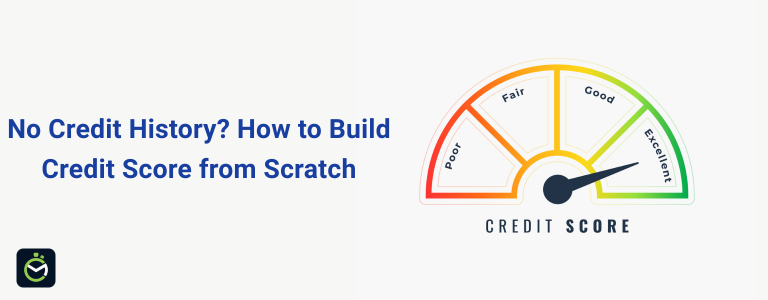
If you've never taken a loan or used a credit card, you might be surprised the first time a lender says 'sorry, we can't process your application.' It's not that you've done anything wrong - it's simply that you're invisible to the credit system. This guide is for you.
India's credit ecosystem runs on one key number: your CIBIL score (also called a credit score). Banks, NBFCs, and even some employers look at it before making decisions about you. The good news? Building a credit history isn't complicated - it just takes a first step and a little patience.
What Does 'No Credit History' Actually Mean?
In simple terms, having no credit history means you do not have enough recorded data for lenders to assess your past borrowing behavior. It is useful to understand the difference between two closely related terms -
- No credit profile (NH - No Hit):
You have never used any form of credit. Credit bureaus will show 'NH' or 'No History' against your name. This is common for students, fresh graduates, and homemakers who haven't taken loans or credit cards in their own name.
- Thin credit profile:
You may have used credit once or twice - perhaps a two-wheeler loan or a small EMI - but not enough for bureaus to reliably assess your creditworthiness. Your score may appear low (often below 600) simply because the data set is limited.
A 'NH' or low score doesn't reflect your financial character. It just means the system hasn't seen enough of you yet.
Why Your Credit Score Matters - Even If You Don't Need a Loan Today
You may be 22 years old with a stable income, thinking: 'I'll worry about credit later.' Here's the thing - later arrives quickly. A home loan. A car purchase. Even a rental apartment (some landlords now check credit). The earlier you start building, the stronger your foundation when it matters.
Here's what a good credit score (750 and above) can do for you:
- Faster loan approvals with minimal documentation
- Lower interest rates on home loans, personal loans, and car loans - a difference of even 0.5% can save lakhs over a 20-year tenure
- Higher credit limits, giving you financial flexibility in emergencies
- Better negotiating power with lenders
Conversely, a poor or absent credit history can result in outright rejection, higher interest rates, or the need for a guarantor - even if you earn well.
6 Practical Ways to Build Your Credit Score from Scratch
If you haven’t applied for credits, it may be challenging to start your credit journey. However, there are some important ways to start building your credit history:
1. Start with a Secured Credit Card
A secured credit card is one of the easiest ways for first-time users to begin building credit. These cards are issued against a fixed deposit (FD) that you keep with the bank, usually ranging from ₹10,000 to ₹25,000. Since the deposit acts as security, approval chances are generally much higher even if you do not have a credit history.
Many major banks offer secured credit cards to beginners. You can use the card for small and regular expenses such as groceries, fuel, or utility bill payments. Paying the outstanding balance on time every month helps create a positive repayment history with credit bureaus.
A simple habit like enabling auto-payment can help you avoid missing due dates and maintain a healthy repayment record consistently.
2. Apply for a Beginner or Student Credit Card
Several banks provide entry-level credit cards specially designed for students and first-time credit users. These cards usually come with lower credit limits and easier eligibility requirements, making them suitable for people who are new to credit.
Using these cards responsibly for small monthly expenses and repaying the bill on time can gradually help improve your credit score. Choosing a card with low or zero annual fees can also help you manage costs during the early stages of credit building.
3. Become an Add-On Card Holder on a Family Member's Account
If a parent, spouse, or close family member has a strong repayment history, becoming an add-on card holder on their credit card can help you begin building credit exposure.
Being added as an add-on card user can help you start building a credit history. However, the primary cardholder’s repayment habits and spending behavior may also influence your credit profile, so it is wise to choose someone who manages credit responsibly.
4. Take a Small Consumer Durable Loan
Buying products such as a mobile phone, laptop, refrigerator, or television through EMI financing can also help establish your repayment history. Many banks and NBFCs offer consumer durable loans with minimal paperwork and affordable installment options.
Paying EMIs regularly and without delay demonstrates responsible borrowing behavior and helps build trust with lenders over time. Even a small loan managed properly can contribute positively to your credit score.
5. Use Buy Now, Pay Later (BNPL) Services Carefully
Buy Now, Pay Later services have become increasingly popular among young users and online shoppers. Platforms such as Amazon Pay Later and Flipkart Pay Later allow you to split purchases into smaller installments.
When repayments are made on time and the provider reports your activity to credit bureaus, BNPL usage may help strengthen your credit profile. However, overspending or delaying payments can negatively impact your score.
The safest approach is to use BNPL only for planned purchases that comfortably fit within your budget.
6. Keep Your Credit Utilization Low
Once you have any credit product - card or loan - how much of it you use matters. Credit utilization (the percentage of your credit limit you've spent) ideally should stay below 30%.
For example, if your card limit is ₹20,000, it is better to keep monthly spending below ₹6,000 whenever possible.
Using too much of your available limit regularly may signal financial stress to lenders and affect your score negatively. Responsible and controlled spending helps maintain a healthier credit profile.
Common Mistakes That New Credit Users Should Avoid
Building credit is straightforward, but a few missteps early on can set you back months. Watch out for these:
- Applying for too many cards at once: Every credit application triggers a 'hard inquiry' on your CIBIL report, which can slightly lower your score. Multiple applications within weeks send a signal of financial desperation. Start with one product, use it well, and wait at least 6 months before applying for another.
- Missing payment due dates: Payment history is the single biggest factor in your credit score - contributing roughly 35% of the score calculation. Missing even a single payment can affect your credit score for several months. Set reminders or auto-pay from Day 1.
- Maxing out your credit limit: Using 90-100% of your credit limit every month, even if you pay it off, signals risk to bureaus. Keep utilization under 30%, and if you need more spending room, request a credit limit increase rather than maxing out what you have.
- Ignoring your credit report: Your credit score can be impacted by errors - incorrect loan records, duplicate entries, or fraudulent accounts opened in your name. Check your free credit report yearly through CIBIL, Equifax India, and CRIF High Mark to track your credit health and spot errors early
How to Keep Your Score Healthy Once You've Built It
Building your first credit profile is a milestone. Maintaining it takes consistent habits - but they're simpler than you think:
- Pay every bill on or before the due date - no exceptions
- Keep 2–3 credit products over time (a credit card, a small loan) for a healthy credit mix
- Don't close old credit card accounts; account age improves your score
- Limit hard inquiries by spacing out applications by at least 6 months
- Review your credit report every 6-12 months and raise a dispute immediately if you spot errors
Conclusion
Building a credit score from scratch is entirely achievable - it just requires a first step and the patience to let time do its work. A secured credit card or a small consumer durable loan, combined with on-time payments and low utilization, can generate a meaningful credit profile in as little as 6 months.
A score of 750+ - the benchmark most lenders consider 'good' - typically takes 12–24 months of consistent behaviour to achieve from zero. But every month of responsible credit use is a brick in that foundation.
Start small. Stay consistent. Your future self - the one applying for a home loan or car finance - will thank you.
Remember: You're not just building a number. You're building a financial identity that opens doors.
Frequently Asked Questions
1. How can I build credit if I have no credit history?
You can build credit by using a secured credit card, becoming an authorized user, or taking a small loan and repaying it on time. Maintaining low credit usage and making timely payments regularly will help create a positive credit history and improve your credit score over time.
2. Is BNPL good for credit building?
‘Buy Now, Pay Later’ (BNPL) helps build credit only if your product/service provider reports your activity to credit bureaus. Any missed payments or overuse can negatively impact your score.
3. Can students apply for credit cards without any credit history?
Yes, some lenders offer credit cards exclusively for students without any prior credit history or a regular income. They are offered with student credit cards, secured credit cards (backed by fixed deposit) or add-on cards linked to a parent’s bank account.
4. How long does it take to build a new credit history?
For new-to-credit individuals, it usually takes at least 3-6 months to generate a decent credit score.
5. How often should I check the score once it’s generated?
You can check your credit scores any number of times; it does not negatively affect your credit score. However, periodic checks are necessary to stay updated and maintain accuracy.
Disclaimer: This page includes information that has been compiled from many sources and is only offered for informational purposes. Given that this type of data may change over time, we cannot guarantee the accuracy of the information supplied or included within it. It is anticipated that the user will confirm with the relevant source before making any choices or taking any actions.